55 / 55
Differences that change the conversation
It’s just a joke
Intencja, wpływ i dowód
Marek makes a joke during a client conversation, Nia sees a tense reaction, and Anna needs specifics. Assessing the situation requires separating intention, impact and evidence.
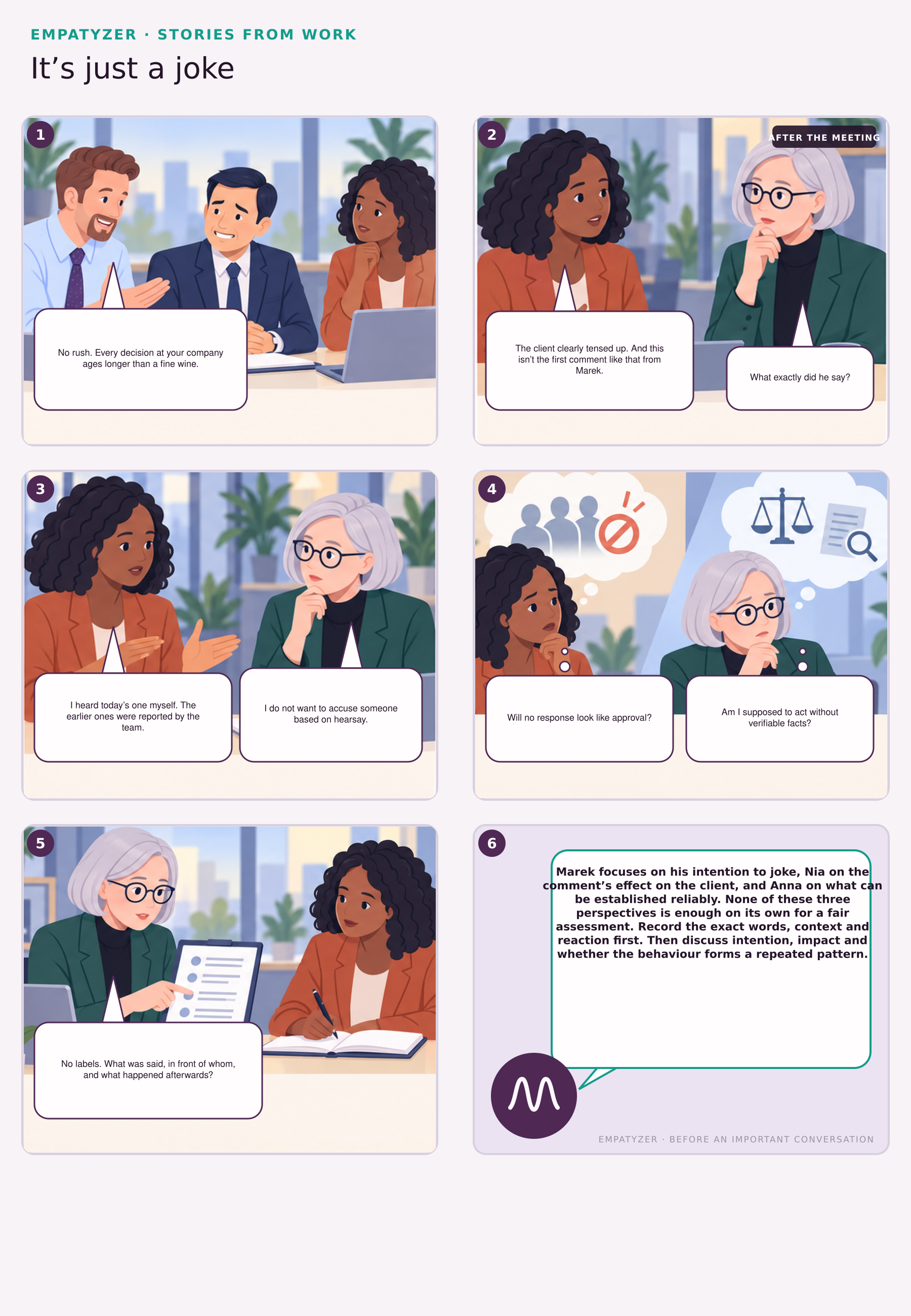
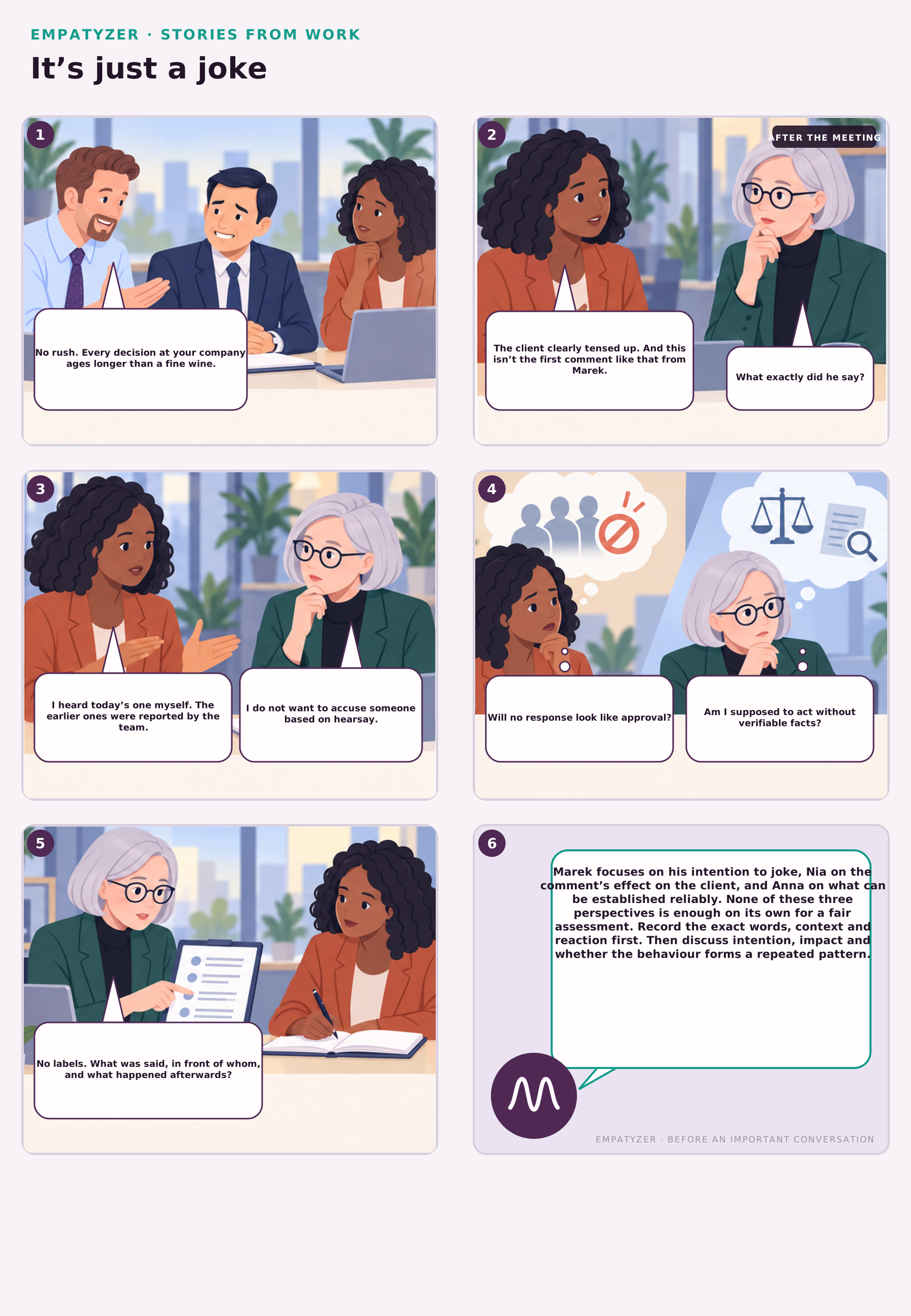

No rush. Every decision at your company ages longer than a fine wine.
 AFTER THE MEETING
The client clearly tensed up. And this isn’t the first comment like that from Marek.
What exactly did he say?

I heard today’s one myself. The earlier ones were reported by the team.
I do not want to accuse someone based on hearsay.
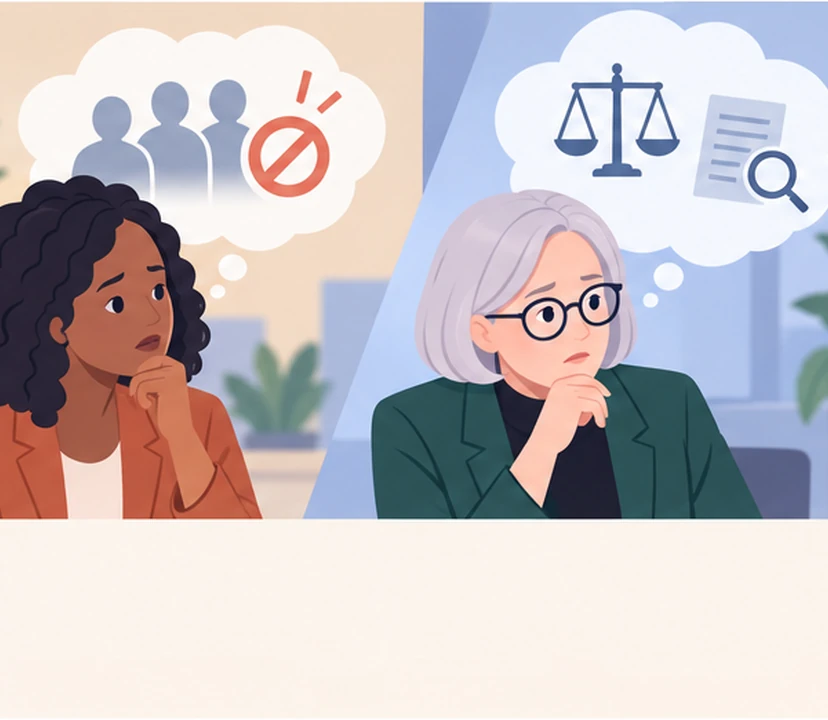
Will no response look like approval?
Am I supposed to act without verifiable facts?

No labels. What was said, in front of whom, and what happened afterwards?